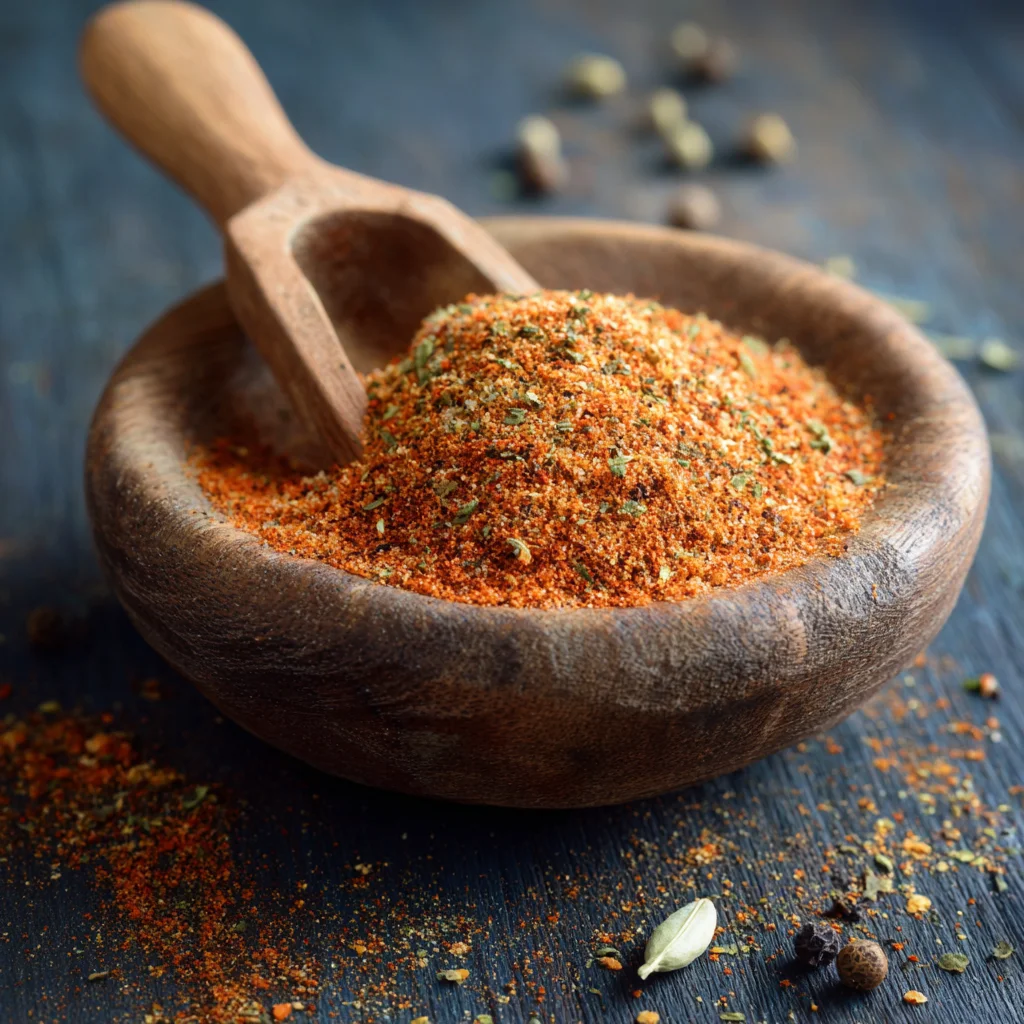
Are you tired of store-bought spice blends that fall flat, taste overly salty, or are simply hard to find outside of specific regions? Imagine creating your own vibrant, aromatic Creole seasoning in less than five minutes, using ingredients you likely already have in your pantry. This isn't just a fantasy; it's a culinary reality that will revolutionize your cooking. Our simple Creole seasoning recipe delivers an authentic burst of New Orleans flavor that's customizable, incredibly fresh, and far superior to anything you'll find on a supermarket shelf.
Creole seasoning is the backbone of countless classic dishes, from rich gumbos and jambalayas to perfectly grilled meats and even everyday eggs. Its savory, herbaceous, and subtly spicy profile instantly transports your taste buds to the heart of Louisiana. While popular pre-mixed options like "Slap Ya Mama" and "Tony Chachere’s" have their place, they often come with a significant downside: excessive sodium. This limits how much you can truly *season* your food without oversalting it, hindering your ability to build layers of flavor.
The good news? Crafting your own *simple Creole seasoning* is ridiculously easy and remarkably quick. Forget complex instructions or specialized equipment. With just a handful of common spices and a few minutes of your time, you'll unlock a world of authentic flavor, putting you in complete control of the taste, heat, and salt content. Get ready to elevate your culinary game and discover why homemade truly is better.
Why Homemade Creole Seasoning Reigns Supreme
The allure of a ready-made spice blend is understandable, promising instant flavor with minimal effort. However, store-bought Creole seasonings, while convenient, often come with significant drawbacks that compromise both flavor and health. The primary culprit is often the high sodium content. Many commercial blends are designed to deliver a potent salt hit alongside the spices, which can quickly overpower a dish and make it challenging to adjust seasoning to your preference. This also means you're limited in how much of that delicious spice blend you can actually add without making your meal inedible.
Beyond the salt issue, availability can be a major hurdle. If you live outside the Southern United States, finding authentic or even good quality Creole spice mixes can be a scavenger hunt. Even when you do find them, they might have been sitting on a shelf for an extended period, leading to diminished aroma and flavor. Spices lose their potency over time, and a pre-packaged blend rarely offers the vibrant freshness of a batch made moments before use.
This is precisely why mastering a simple Creole seasoning recipe at home is a game-changer. You gain complete control over every aspect: the quality of the spices, the precise ratio of each ingredient, and crucially, the amount of salt. This freedom allows you to create a blend that perfectly suits your palate and dietary needs. Furthermore, the act of mixing your own spices ensures maximum freshness and potency, translating to a more dynamic, aromatic, and truly authentic flavor in every dish. It’s an investment of five minutes that pays dividends in deliciousness.
Your 5-Minute Recipe for the Ultimate Simple Creole Seasoning
This is it – the ultimate, foolproof recipe for a simple Creole seasoning that will become your go-to blend. It strikes a beautiful balance of savory, herbaceous, and aromatic notes with just the right touch of warmth. This blend is versatile enough for almost any application, offering that quintessential New Orleans flavor without the fuss. The secret lies not in complex techniques, but in the quality of your ingredients and thorough mixing. Prepare to be amazed by how effortless and rewarding this truly is.
Core Ingredients for Your Signature Blend
The magic of this recipe comes from its reliance on readily available pantry staples. For the most vibrant and impactful flavor, always opt for the freshest spices you can find. Old, stale spices will yield a dull, muted result, so check those expiration dates!
- 3 tablespoons smoked or sweet paprika: Paprika adds beautiful color and a mild, earthy sweetness. Smoked paprika will lend a deeper, more complex flavor.
- 2 tablespoons fine sea salt: This amount provides a balanced seasoning. Remember, you can always add more salt to your dish later, but you can't take it out of the blend!
- 2 tablespoons garlic powder: Essential for that pungent, savory backbone of Creole cuisine.
- 1 tablespoon black pepper: Freshly ground black pepper, if possible, offers a superior aroma and zesty kick.
- 1 tablespoon onion powder: Complements the garlic, adding another layer of savory depth.
- 1 tablespoon cayenne pepper: This is where the heat comes from. Adjust this amount based on your preference – use less for a milder blend, or more for a fiery kick!
- 1 tablespoon dried oregano: Contributes a classic herbaceous, slightly bitter note.
- 1 tablespoon dried thyme: Adds an earthy, minty, and slightly floral dimension that’s characteristic of Creole blends.
Step-by-Step Perfection in Minutes
Making this *simple Creole seasoning* is as easy as gathering your ingredients and combining them. No cooking, no special equipment – just a bowl and a whisk or fork!
- Gather Your Spices: Start by measuring out all your core ingredients. Having everything pre-measured and ready to go into your mixing bowl makes the entire process incredibly smooth and quick.
- Mix Thoroughly: Pour all the measured spices into a small to medium-sized mixing bowl. Using a whisk or a fork, combine them thoroughly. The key here is to mix for at least a minute or two until the color of the blend is completely uniform, and you can see no clumps of individual spices. This ensures that every pinch you use will have a balanced, consistent flavor profile.
- Store Properly: Once perfectly blended, transfer your fresh Creole seasoning into a clean, dry, airtight container. Small glass jars with tight-fitting lids are ideal for preserving freshness. Store your homemade blend in a cool, dark place, such as your spice cabinet, away from direct sunlight and heat, to maintain its potency for months.
Pro Tip: Consider doubling or even tripling this recipe. Not only will you always have a fresh batch on hand, but homemade spice blends also make fantastic, thoughtful gifts for fellow food lovers. Package them in pretty jars with a custom label, and you've got a culinary treat that's sure to impress!
Beyond the Blend: Maximizing Your Simple Creole Seasoning
Having a freshly made batch of *simple Creole seasoning* is just the beginning. To truly harness its power, it helps to understand its culinary context, how to tweak it, and the myriad ways it can transform your meals.
Creole vs. Cajun: Unraveling the Flavor Story
This is perhaps the most common question when discussing Louisiana cuisine, and it’s an excellent one! While often used interchangeably outside of Louisiana, Creole and Cajun seasonings, much like the cultures themselves, have distinct nuances. Cajun cooking, typically associated with rural, country-style French Acadian settlers, is often described as more rustic, featuring a "holy trinity" of onion, celery, and bell pepper, and a tendency towards spicier, single-pot dishes. Cajun seasoning often leans heavily into cayenne and garlic, with fewer herbs.
Creole cuisine, on the other hand, evolved in the more urban, cosmopolitan environment of New Orleans, influenced by French, Spanish, African, Italian, and Caribbean traditions. Creole cooking is often more refined, incorporating tomatoes and a wider array of herbs. While both are flavorful and spicy, Creole seasoning tends to be more herbaceous, incorporating ingredients like oregano and thyme more prominently, offering a slightly more complex and less singularly fiery heat profile. Our *simple Creole seasoning* recipe embodies this herbaceous richness, providing a balanced, aromatic flavor that's the hallmark of New Orleans kitchens.
Customizing Your Creole Creation
The beauty of making your own *simple Creole seasoning* is the freedom to customize it to your exact preferences. Think of this recipe as a fantastic starting point, a canvas for your culinary artistry:
- Adjusting the Heat: The cayenne pepper is your heat dial. For a milder blend, reduce it to ½ tablespoon or omit it entirely and add a pinch of white pepper for a subtle background warmth. For a truly fiery blend, increase it to 1.5 or even 2 tablespoons!
- Sodium Control: If you're watching your sodium intake, feel free to reduce the salt content further. Remember, you can always salt your dish to taste as you cook. You could even omit salt from the blend entirely for a truly "salt-free" version and add it separately during cooking.
- Herbaceousness: Love the herbal notes? Increase the oregano and thyme by half a tablespoon each for an even more aromatic blend.
- Smoky Depth: If you used sweet paprika, consider adding ¼ to ½ teaspoon of smoked Spanish paprika for a deeper, smoky undertone that pairs beautifully with grilled meats.
- Citrus Brightness: For an unexpected zest, try adding ½ teaspoon of dried lemon or orange peel powder to your blend. This adds a bright counterpoint to the savory spices.
Everyday Uses: Where Your Simple Creole Seasoning Shines
Once you have your homemade *simple Creole seasoning*, the possibilities are endless! This versatile blend will quickly become a pantry staple for elevating almost any meal:
- Meats & Poultry: Rub it generously on chicken, pork chops, steak, or fish before grilling, roasting, or pan-frying. It creates a fantastic crust and infuses deep flavor. Don't forget chicken burgers!
- Eggs: A sprinkle on scrambled eggs, omelets, or even deviled eggs adds an instant kick.
- Gumbos & Jambalayas: This seasoning is fundamental for building the base flavors of these iconic Louisiana dishes. Use it to season your "holy trinity" as it sautés.
- Vegetables: Toss roasted potatoes, corn on the cob, asparagus, or bell peppers with olive oil and a good dusting of your Creole blend before roasting for an incredible side dish.
- Dips & Dressings: Stir a teaspoon into sour cream or yogurt for a zesty dip, or whisk it into olive oil and vinegar for a vibrant salad dressing.
- Popcorn & Snacks: Sprinkle it over freshly popped popcorn for a gourmet snack, or mix it into breading for fried shrimp or chicken.
Expert Tips for a Flavorful Journey
To ensure your homemade Creole seasoning truly excels and enriches your cooking, consider these additional tips:
- Spice Freshness is Key: Invest in high-quality, fresh spices. Whole spices, ground just before blending, offer the most potent flavor. While the recipe uses pre-ground, if you have whole cumin or coriander, a quick toast and grind can elevate your blend even further.
- Avoid Moisture: Always use clean, dry spoons when scooping out your seasoning. Introducing moisture can lead to clumping and reduce shelf life.
- Test and Adjust: Before making a large batch, mix a small test amount and taste it. You can do this by sprinkling it on a bland base like plain rice or a piece of chicken. This helps you fine-tune the ratios to your exact preference.
- Layer Your Flavors: While your seasoning is excellent on its own, remember that it’s part of a larger dish. Don't be afraid to combine it with other aromatics like fresh garlic, onions, or bell peppers to build even more complex flavor profiles.
- Shelf Life: Stored properly, your homemade *simple Creole seasoning* will remain vibrant and potent for 3-6 months. After that, while still safe to use, the flavors will begin to diminish.
Embracing homemade spice blends like this *simple Creole seasoning* is a journey towards more flavorful, healthier, and personalized cooking. You'll not only save money but also enjoy dishes that burst with a freshness and depth rarely found in their store-bought counterparts. So, gather your spices, dedicate five minutes, and prepare to embark on a delicious adventure into the heart of Creole cuisine.
